How CBD for Inflammation Works: A Real-World Guide
Understanding the Body's Natural Response
Inflammation is not the enemy. It is the body's way of sounding the alarm, sending immune cells to repair damaged tissue and fight off invaders. But when that alarm never stops ringing, the same process that heals a sprained ankle can slowly wear down joints, nerves, and organs. After spending years watching customers come into KushStation looking for something that might quiet that constant hum of discomfort, I started digging deeper into the science behind what they were actually buying.
What I found was that cbd for inflammation is not a marketing gimmick. It is grounded in how the endocannabinoid system works. This system, which most people never think about until something goes wrong, is a network of receptors and signaling molecules that helps regulate sleep, appetite, pain, and immune function. When you introduce cannabinoids like CBD into that network, you can shift the body's inflammatory response without the side effects that come with conventional anti-inflammatory drugs.
The Endocannabinoid System and Inflammation
CBD does not bind directly to CB1 receptors the way THC does. Instead, it acts more like a backstage manager. It influences the endocannabinoid system by inhibiting the breakdown of the body's own endocannabinoids, allowing them to stick around longer and do their job. This matters for inflammation because the endocannabinoid system is deeply involved in regulating immune cell activity.
CB2 receptors are the ones you want to pay attention to here. They are found primarily on immune cells, and when they are activated, they signal those cells to stop releasing pro-inflammatory molecules. CBD appears to increase the activity at CB2 receptors indirectly, which helps dial down the immune response. This is why people with conditions like arthritis or neuropathic pain sometimes report noticeable relief after using CBD products regularly.
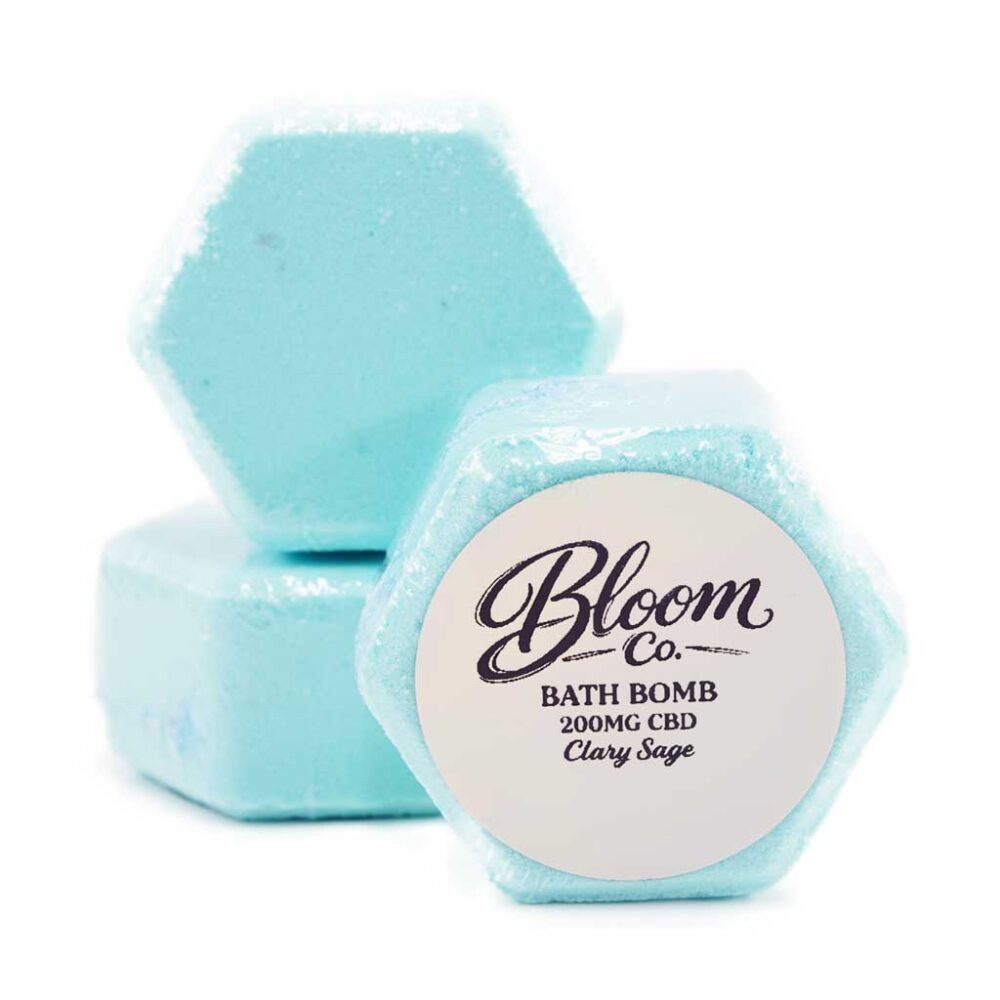
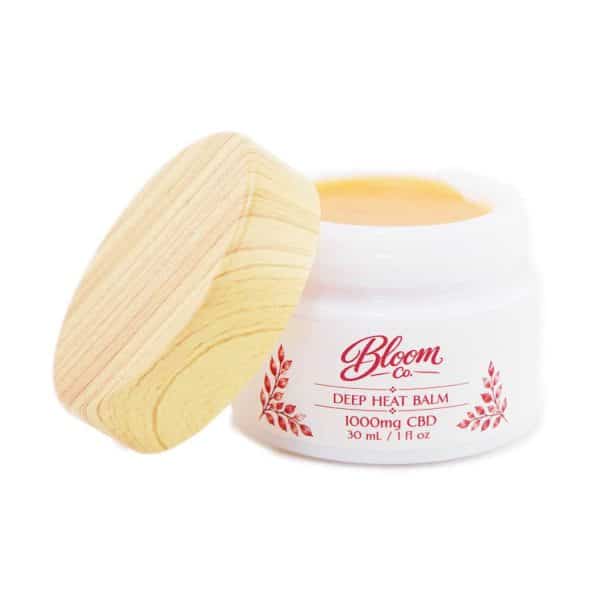
One customer I spoke with had been dealing with arthritic pain in both knees for years. He started using a full-spectrum CBD balm every morning and evening. Within two weeks, the stiffness that usually took an hour to shake off in the morning was gone after about fifteen minutes. That is not a clinical trial, but it is consistent with what the research suggests: consistent use of CBD can reduce markers of inflammation over time.
How the Product Form Matters
Not all CBD is created equal. The extraction method and formulation make a huge difference in whether you actually feel any benefit. CO2 extraction, for example, uses pressurized carbon dioxide to pull cannabinoids from the hemp plant without leaving behind harsh solvent residues. The resulting CBD oil retains a broader profile of compounds than some cheaper methods.
Full-spectrum CBD is especially relevant here. It contains not just CBD but also trace amounts of other cannabinoids, terpenes, and flavonoids that work together in what researchers call the entourage effect. Terpenes like beta-caryophyllene and myrcene have their own anti-inflammatory properties, and when they are present alongside CBD, the overall effect can be stronger than any single compound on its own.
If you are using cbd for inflammation, the delivery method matters just as much as the oil itself. Vape pens offer the fastest absorption because the CBD enters the bloodstream through the lungs. A few puffs can start working within minutes, which is helpful for acute flare-ups. CBD edibles take longer to kick in because they have to go through the digestive system, but the effects last longer. CBD balms are great for targeting a specific joint or muscle group without affecting the whole body. Even CBD bath bombs can help with systemic inflammation when the skin absorbs the cannabinoids during a warm soak.
What the Science Says
Clinical trial data on CBD and inflammation is still building, but the early results are promising. A 2018 study published in the journal Pain found that a topical CBD gel reduced pain and inflammation in rats with arthritis. More importantly, human studies have shown that CBD can reduce the production of inflammatory cytokines, the proteins that drive the swelling and pain response.
One reason CBD works so well for neuropathic pain is that it also interacts with NMDA receptors in the central nervous system. These receptors are involved in the perception of chronic pain, and by modulating them, CBD can reduce the sensation of pain even when the underlying inflammation has not fully resolved. That dual action - calming both the immune response and the pain signals - is what makes it such a versatile option.
Practical Tips for Using CBD for Inflammation
- Start with a moderate dose and stick with it for at least two weeks. Inflammation relief is not instant for most people.
- Choose full-spectrum CBD oil or products made from it, because the extra compounds help the anti-inflammatory effect.
- For joint pain, apply a CBD balm directly to the area and massage it in for a minute. The skin absorbs it better when it is warm.
- If you prefer edibles, look for products that list the total milligrams of CBD clearly. Consistency from batch to batch matters.
- Keep a simple log of how you feel each day. It is easy to forget how bad the pain was before you started.
Real People, Real Results
A few years ago, a regular at KushStation told me she had been using CBD vape pens for the inflammation in her hands. She worked as a massage therapist, and the repetitive use had caused chronic swelling in her knuckles. She tried ibuprofen, but it upset her stomach. She tried ice packs, but they only helped for a few hours. After switching to a daily routine with a full-spectrum CBD vape pen, she said the swelling went down enough that she could work a full day without pain. She did not expect a cure, and she did not get one. But she got her function back.
That is the kind of story I hear again and again. Not miraculous recoveries, but meaningful improvements. People who can bend down to tie their shoes again. People who can sleep through the night without waking up stiff. People who find that cbd for inflammation is one tool among several that helps them manage a condition that had been running their lives.
Choosing the Right Product
If you are shopping for CBD products, look for brands that provide third-party lab results. That is the only way to know how much CBD is actually in the bottle and whether it contains any contaminants. Hemp grown in the United States tends to have stricter regulations, so check the source. Also consider whether you want something that works fast or lasts long. Vape pens and tinctures are fast. Edibles and balms are slow and steady.
I have seen people get frustrated because they tried one product and it did not work. Then they switched to a different format or a higher dose and suddenly it clicked. The key is to be patient and pay attention to how your body responds. Inflammation is complex, and there is no single solution for everyone.
CBD is not a magic bullet, but for many people it is a genuinely useful part of their anti-inflammatory toolkit. When you combine it with good sleep, a healthy diet, and regular movement, the results can be surprising. The science is still catching up to what many users already know from experience: that this compound, derived from a plant that has been used for thousands of years, can help calm the body in a way that modern medicine sometimes cannot match.